Flower Bed Creation in Greenwich: Beautiful Designs, Lasting Structure, and Seasonal Impact
Why flower bed creation in Greenwich matters for modern outdoor spaces
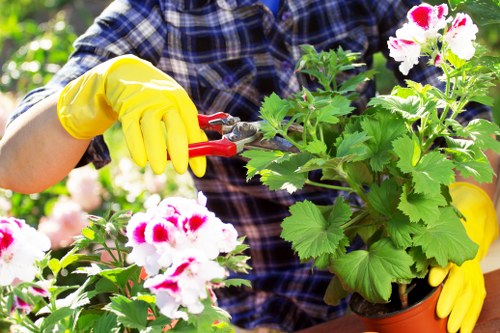
Flower bed creation in Greenwich is more than a simple landscaping task. It is a practical and creative way to shape outdoor spaces, improve curb appeal, and bring structure to gardens of every size. Whether you own a compact town garden, a family home with a front border, or a larger property with open lawn areas, a well-planned flower bed can completely transform how your space feels and functions.
In a place like Greenwich, where outdoor style often balances elegance, heritage, and everyday usability, flower bed creation needs to be thoughtful. The best results come from combining plant selection, soil preparation, layout planning, and seasonal maintenance. When these elements work together, the result is a space that looks polished, grows well, and remains attractive through the year.
Many homeowners begin with a simple idea: they want more color, more texture, and more life in the garden. However, successful flower bed creation in Greenwich depends on far more than choosing a few pretty flowers. It requires understanding light levels, drainage, soil conditions, local weather patterns, and the overall style of the property. A strong design approach ensures the flower bed supports the garden rather than fighting against it.
Planning flower bed creation in Greenwich for the best results
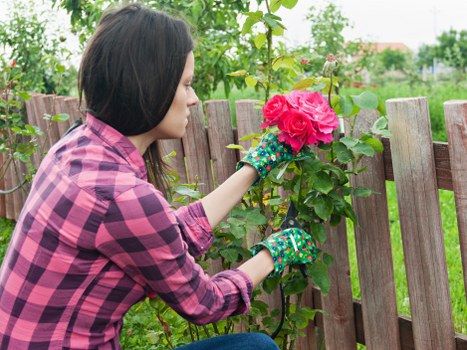
Every successful flower bed starts with a clear plan. Before digging or planting, it is important to assess the space carefully. Look at where the sun falls during the day, how water moves after rain, and what surrounding features already exist. This planning stage is especially important in Greenwich, where gardens may vary from shaded courtyard spaces to open, sun-filled front plots.
Good planning helps avoid common problems such as overcrowding, poor drainage, and plants that struggle in unsuitable conditions. It also ensures that the flower bed fits naturally into the overall landscape. A bed that is too large can overwhelm a small garden, while one that is too small may look unfinished. Balance is key.
When creating flower beds in Greenwich, it helps to consider the garden from multiple angles. Ask how the bed will look from the house, from the street, and from the main seating area. A flower bed should add visual interest from every key viewpoint. That is why layout, shape, and plant height all matter so much.
- Check sunlight patterns throughout the day
- Assess soil type and drainage quality
- Measure the available space accurately
- Decide on the style: formal, naturalistic, or mixed
- Plan for year-round structure and seasonal color
Understanding soil preparation for flower bed creation in Greenwich
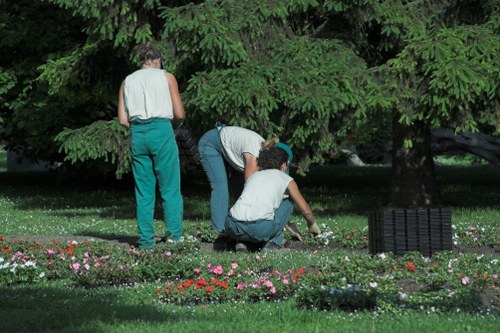
Soil preparation is one of the most important stages of flower bed creation in Greenwich. Even the most attractive plant selection will struggle if the soil is compacted, nutrient-poor, or waterlogged. Before planting begins, the soil should be cleared, loosened, and improved with organic matter where necessary. This creates a strong foundation for healthy root development.
Different parts of Greenwich can have different soil challenges. Some areas may have heavier clay-based soil that holds moisture for too long, while others may be lighter and drain quickly. A practical approach is to test the soil before deciding on plants. If the soil needs improvement, adding compost, well-rotted manure, or other organic material can increase fertility and improve structure.
Healthy soil is the starting point for a thriving flower bed. When the ground is well prepared, plants establish more quickly, need less intervention, and produce stronger blooms. This is why careful groundwork is never wasted time. It saves effort later and leads to a much better long-term result.
Choosing plants for flower bed creation in Greenwich
Plant selection is where flower bed creation in Greenwich becomes truly exciting. The right plants bring color, fragrance, movement, and personality to the garden. However, good plant choice is not only about appearance. It is also about matching plants to the site conditions and ensuring they work well together across the seasons.
For Greenwich gardens, a mix of perennials, shrubs, bulbs, and annuals often works beautifully. Perennials provide reliable structure year after year, while annuals can be used for bold bursts of seasonal color. Shrubs help define the edges of the bed and add height, while bulbs offer early spring interest. Together, these layers create a bed that feels full and dynamic.
It is also wise to think about maintenance. Some homeowners prefer low-maintenance flower beds with hardy plants that require minimal care. Others enjoy the flexibility of changing displays throughout the year. Either approach can work well if the design is planned properly. The key is choosing plants that suit your lifestyle as well as your garden.
Popular plant types for Greenwich flower beds
- Lavender for fragrance and structure
- Geraniums for colorful and long-lasting blooms
- Hydrangeas for lush, elegant impact
- Roses for timeless beauty and classic appeal
- Hostas for shaded spaces with bold foliage
- Ornamental grasses for movement and texture
- Tulips and daffodils for spring brightness
Design styles that work well for flower bed creation in Greenwich
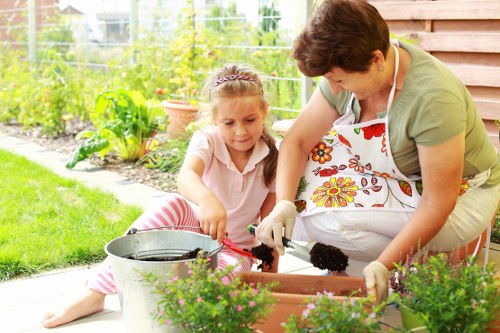
The design style of a flower bed should suit both the property and the people who use it. In Greenwich, many gardens benefit from a style that feels refined but not overly formal. Clean edges, well-balanced planting, and thoughtful repetition can create a polished look without making the space feel stiff.
Formal flower beds often rely on symmetry, clipped edges, and carefully arranged plant groupings. These beds work especially well near period homes, front entrances, or spaces that need a strong visual statement. They create a sense of order and tradition that many homeowners appreciate.
Informal or naturalistic flower beds use softer shapes, flowing plant combinations, and a more relaxed appearance. These beds can be ideal for family gardens or larger plots where a softer edge feels more inviting. They may include native plants, pollinator-friendly flowers, and layered textures that appear effortless but are carefully planned.
Key design elements to consider
- Bed shape and border definition
- Plant height and layering
- Color harmony across the seasons
- Texture contrast between leaves and blooms
- Access for watering, pruning, and deadheading
Seasonal planning in flower bed creation in Greenwich
One of the best ways to ensure long-term success is to design the flower bed with the seasons in mind. A beautiful bed should not peak for only a few weeks and then fade into dullness. Instead, flower bed creation in Greenwich should aim for continuous interest from early spring to late autumn, with enough evergreen structure to keep the garden looking good in winter.
Spring bulbs can provide an early burst of energy after the colder months. Summer perennials and annuals then take over with fuller color and abundance. Autumn interest can be maintained with late-flowering plants, seed heads, and ornamental grasses. In winter, evergreens, bark textures, and carefully placed shrubs can preserve shape and visual appeal.
This seasonal approach is especially effective in Greenwich gardens, where owners often want outdoor spaces that feel attractive throughout the year. By planning succession planting and mixing plant types, you can avoid gaps and maintain a sense of rhythm in the garden.
Practical steps in flower bed creation in Greenwich
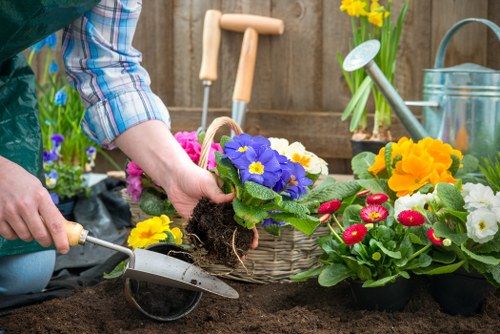
Although design matters, the practical process of flower bed creation is equally important. The steps below provide a strong framework for turning an idea into a thriving planting area. Each stage supports the next, so nothing should be rushed.
First, mark out the shape of the bed clearly. Use a hose, rope, or edging line to visualize the layout before cutting into the turf or existing border. This helps you refine the shape and make sure it works from all angles. Next, remove weeds, roots, and debris so the space is ready for soil improvement and planting.
After preparing the ground, install edging if needed. Edging helps define the bed, keeps soil contained, and creates a neat finish. Then add compost or other soil improvers, rake the surface level, and begin placing plants according to height and spacing. Taller plants usually go toward the back or center, with medium and low-growing plants layered in front.
- Mark out the bed shape before digging
- Clear weeds and unwanted roots thoroughly
- Improve the soil with organic matter
- Set plants in place before planting
- Water deeply after installation
- Mulch the surface to retain moisture and reduce weeds
How flower bed creation in Greenwich supports property value and street appeal
A well-designed flower bed does more than improve the garden. It can also enhance the overall appearance of the property, making it feel more cared for and inviting. In residential areas where first impressions matter, flower bed creation in Greenwich can make a noticeable difference to curb appeal.
Beautiful borders and planting areas can soften hard surfaces, frame pathways, and highlight entrances. They can make a front garden look refined and welcoming, while also contributing to a sense of pride in the property. For homeowners thinking about presentation, this is a worthwhile investment that offers both visual and practical returns.
Even simple flower beds can have a strong impact if they are designed well. Repetition of color, neatly maintained edges, and healthy plants often create a stronger impression than overly complicated displays. This is why thoughtful design is often more powerful than quantity alone.
Common mistakes to avoid in flower bed creation in Greenwich
Many flower bed problems can be avoided with a little planning. One common mistake is choosing plants based only on appearance rather than suitability. A plant that looks perfect in a nursery may struggle if it is planted in too much shade or in poorly drained soil. Matching the plant to the site is always the better strategy.
Another issue is overcrowding. It can be tempting to fill every gap at planting time, but plants grow. If they are packed too closely together, they compete for light, air, and nutrients. This can lead to poor growth and more maintenance later. Giving plants room to mature is an important part of good flower bed creation.
A third mistake is neglecting maintenance. Even low-maintenance flower beds need some attention. Regular watering during dry spells, deadheading spent blooms, and occasional pruning all help the bed stay healthy. Ongoing care protects the quality of the original design.
Other mistakes to watch for
- Ignoring drainage problems before planting
- Using too many unrelated colors
- Failing to include evergreen structure
- Not considering mature plant size
- Leaving edges unfinished
Low-maintenance flower bed ideas for Greenwich homes
Not every homeowner wants a high-input garden. Many people prefer flower beds that look attractive without demanding constant attention. Fortunately, flower bed creation in Greenwich can be tailored to low-maintenance living while still offering plenty of visual appeal.
One effective approach is to use a limited plant palette with strong repetition. Repeating the same plants creates unity and reduces complexity. Hardy perennials, drought-tolerant species, and evergreen shrubs can form the backbone of a bed that looks good with less effort. Mulching also helps suppress weeds and conserve moisture, which reduces the need for frequent maintenance.
Another useful tactic is to choose plants with long flowering periods or attractive foliage. These plants continue to contribute even when blooms are not at their peak. In a busy household, this can make a huge difference. A well-chosen low-maintenance bed remains attractive without becoming a burden.
Why professional support can improve flower bed creation in Greenwich
While many homeowners enjoy creating their own borders, professional support can make a major difference in results. Skilled landscapers understand soil conditions, planting combinations, spatial planning, and construction details that can be difficult to manage alone. This expertise often leads to a cleaner finish and healthier planting scheme.
Professional flower bed creation in Greenwich can also save time and reduce trial and error. A knowledgeable team can help with everything from bed shaping and edging to plant sourcing and seasonal planning. That means fewer mistakes and a more refined final result. For homeowners with limited time or larger projects, this support is especially useful.
In addition, a professional approach can help ensure the garden evolves well over time. The best flower bed designs are not only attractive on day one; they are built to mature gracefully. This requires thinking about how each plant will grow, spread, and interact with the rest of the space. A well-informed design makes that future growth much easier to manage.
Maintaining flower beds after creation in Greenwich
Once the flower bed has been created, maintenance becomes the key to preserving its quality. The exact routine will vary depending on the plants used, but most flower beds benefit from a consistent pattern of care. This includes watering, feeding where necessary, deadheading, pruning, and weed control.
During dry periods, new beds may need more regular watering until roots become established. After that, established beds often become easier to manage, especially if mulch is used. Seasonal feeding may also be helpful for flowering plants that need extra nutrients to perform well.
It is also important to review the bed throughout the year. Some plants may need replacing, dividing, or repositioning as the garden changes. This is normal and part of keeping the design fresh. Small, regular adjustments often make the biggest difference.
- Water appropriately during establishment and dry spells
- Remove spent blooms to encourage more flowers
- Trim back overgrown plants when needed
- Top up mulch annually
- Refresh weak or underperforming plants
Creating a flower bed that suits Greenwich style
Greenwich gardens often benefit from a blend of charm, structure, and understated elegance. Whether the property is modern or traditional, the flower bed should feel like a natural extension of the home. That means paying attention to color palette, materials, and the relationship between hard landscaping and planting.
Stone edging, gravel paths, neat borders, and soft planting combinations can all work well together. A bed with too many competing features may feel cluttered, while a bed with a calm, coordinated design feels more intentional. This is one reason flower bed creation in Greenwich is so rewarding: it allows outdoor spaces to reflect both personality and place.
The most attractive gardens often feel balanced rather than overdone. They combine beauty with usability, and they invite people to spend time outdoors. That balance is what makes a flower bed truly successful.
Final thoughts on flower bed creation in Greenwich
Flower bed creation in Greenwich is a valuable way to improve gardens of all sizes. With the right planning, preparation, plant choices, and maintenance, a flower bed can bring color, texture, structure, and lasting appeal to any property. It can brighten a front garden, enrich a private courtyard, or add definition to a larger landscape.
The process becomes much more effective when it starts with good soil, thoughtful design, and realistic plant selection. By focusing on both beauty and practicality, homeowners can achieve a result that looks impressive and stays manageable over time. That is the real strength of well-executed flower bed creation.
If you are ready to transform your garden, contact us today to explore the possibilities for your outdoor space. Book your service now and start creating a flower bed in Greenwich that feels vibrant, structured, and perfectly suited to your property.

